It Starts and Ends with Love

Not long after I returned from the events in Selma, marking the 50th anniversary of the historic march it became clear to me, even though I was an interim pastor at the UU Congregation of the South Jersey Shore, that there was a compelling need at this time for a renewed civil rights movement, and for liberal congregations like ours to speak out and stand up, and we could no longer stand by in silence. Most important among the narratives and images that I brought back from Selma were the words of Mark Morrison-Reed, when he told us that it all begins with relationships; the powerful teachings of Opal Tometi, one of the founders of the #BlackLivesMatter movement; and the warmth, affection, and tenderness expressed by the families of James Reeb, Jimmie Lee Jackson, Clark Olsen, and Orloff Miller. 

This great love, a love for humanity, for justice, for goodness, a genuine faith and a passion for what is best in humanity permeated the time we spent together. Walking toward that bridge amidst a throng of thousands, holding the hand of my adopted boy Seth, a child who lives with autism, I felt that day part of a great sacrament. I felt that a promise was made, to carry that spirit of love back to every town and city from which we had come.
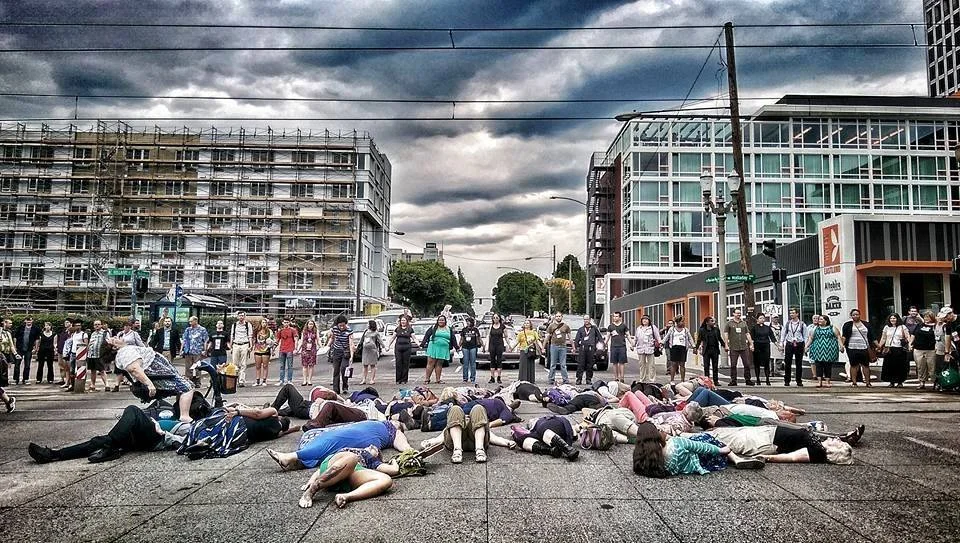
Deaths in ICE Custody: Say Their Names, Again and Again

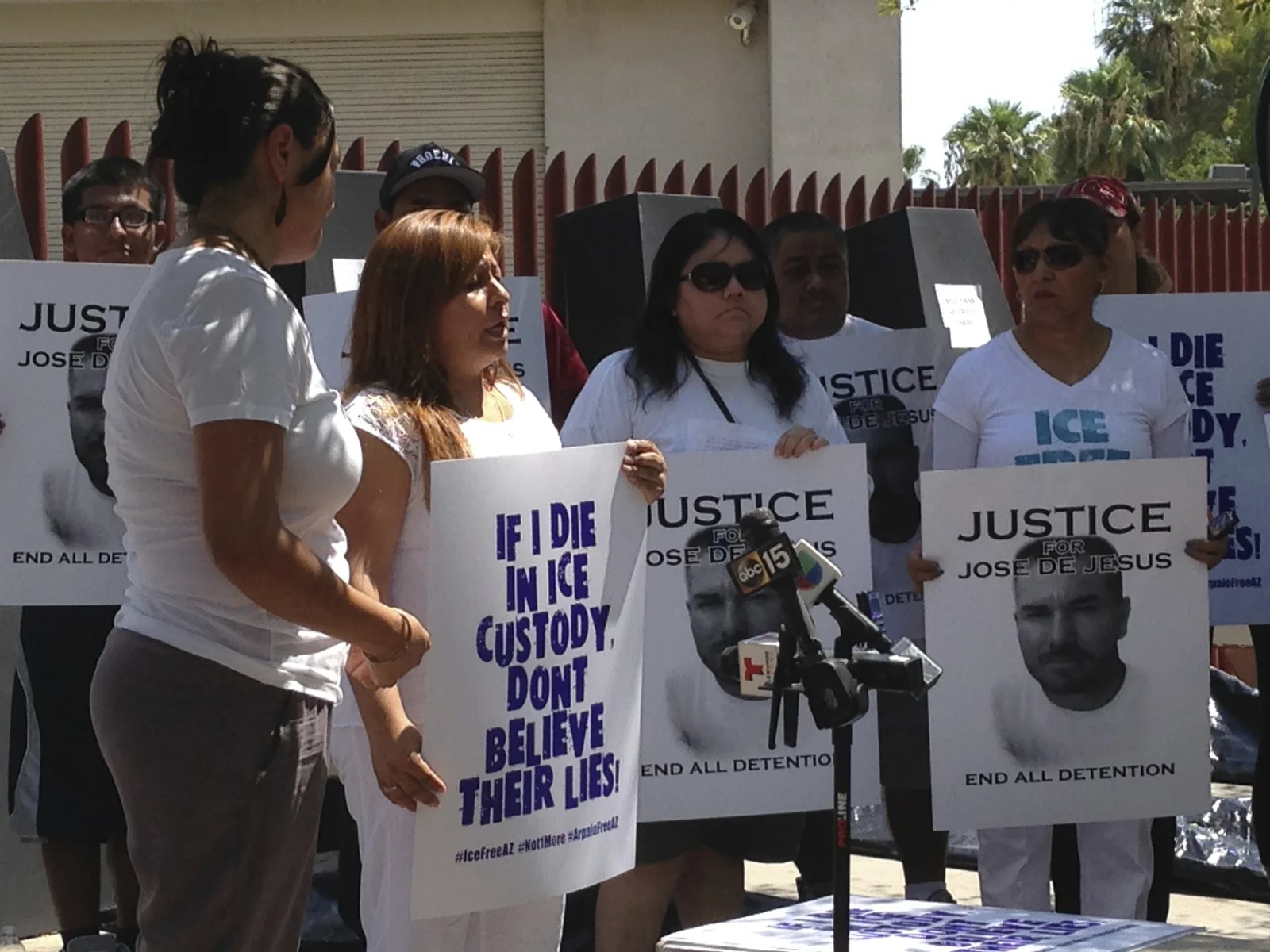
“Ramiro Gutierrez,…Maria Solis-Perez.” The names of persons who had died in Immigration and Customs Enforcement (ICE) custody rang out at the “Tent City” candlelight vigil, a witness event at the Unitarian Universalist Association’s Justice General Assembly 2012 in Phoenix.

“Jose de Jesus Deniz-Sahagun, …. Juan Salazar Gomez.” On August 20th, 2015  members of the Puente Human Rights Movement said the names of 152 persons who have died in ICE custody since 2003—at least 30 of the names new, not on the list in 2012. The Eloy Detention Center in Arizona has been the deadliest ICE facility, claiming 14 lives.

We Must Weather the Storm to See the Rainbow

Our commitment to living the values of our faith is being tested.  We are standing in the storm of reaction against the Black Lives Matter movement.  Now is the time when we must ask ourselves, “do we become even more out and proud for racial justice or do we shrink down in retreat?”  

With FOX news leading a media frenzy denouncing the Black Lives Matter movement as a hate group, as terrorists, as anti-white, some of us are retreating from wearing Black Lives Matter buttons and some of us are questioning whether or not to take down the Black Lives Matter banners from our churches.

It would be easy for me to say all of the white UUs who are faltering are just falling back into their white privilege, are sinking back into their liberal white racism.  It would be easy for me to distance myself and feel superior.  It is much harder for me to say, that I too, as a white Unitarian Universalist, have been scared.  After months of wearing my Black Lives Matter button, I found myself second-guessing whether to wear it.  What if I am challenged at the grocery store or walking in the park with my son.   It was much easier to wear my button after the latest police murder of an unarmed Black person.  Filled with anger and a desire to “do something”, I wore my button with defiance to racism and a commitment to racial justice.

Mark your Calendars for Thirty Days of Love 2016!

As we kick off a new congregational year, we are so excited to announce that Thirty Days of Love, this time dedicated to intersectional racial justice, will be back in 2016! Thirty Days is an exciting opportunity to support the emerging and ongoing racial justice organizing happening in Unitarian Universalist congregations across the country, in the tradition of organizing for civil and human rights and in support of the growing Movement for Black Lives.

After a brief hiatus this year to allow room for the newly launched Climate Justice Month, Thirty Days returns Saturday, January 16 and continuing through Sunday, February 14, 2016.  

Responding with Love

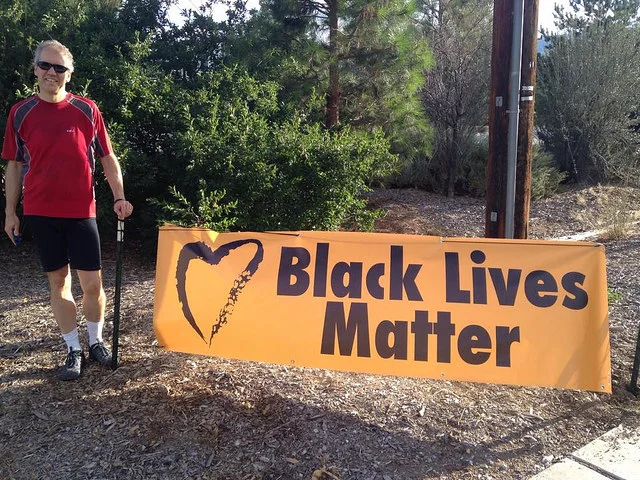
On Wednesday, August 26, the Unitarian Universalist Fellowship of Northern Nevada installed a Black Lives Matter banner on our campus in Reno.  The next morning our office administrator arrived to find our recently installed banner had been vandalized. Someone spray painted the word "WHITE" over the word Black. As we live by faith, and not by fear, a new sign has already been dedicated and installed after our Sunday morning worship. This vandalism is a poignant reminder of why this congregation is in solidarity with the #BlackLivesMatter movement. For too long, as this vandal demonstrates, in this nation white lives have been more valued than black. We will continue to work to end racism as our religion calls us to do.

After filing a police report I began calling local media and sending pictures to them of the vandalized sign.  This led to news reports about the vandalism in the local paper the Reno Gazette-Journal and the local NBC news affiliate.  We also informed the congregation by Facebook about the incident.  I could not have imagined that 71,000 people would have viewed our original Facebook post and it would be shared over 400 times.

Weaving the Threads of Justice

Ten years ago I went to Baton Rouge and other Katrina-affected areas in a response to calls to assist people who had made it out of New Orleans alive. I went to help; I could not help but see and listen and be changed by the experience. 

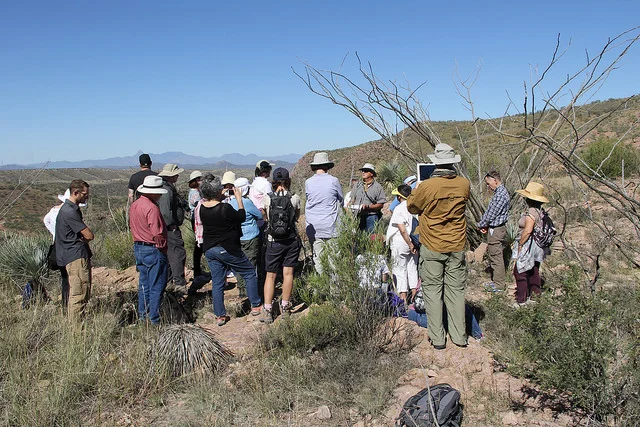
A few years ago I went to Arizona to help, to bear witness to the conditions faced by people who cross into the U.S. through the desert hills. I went and saw for myself what people go through trying to get here without “papers”, how they are treated in the courts, how they are discarded/repatriated to their native countries, how they escape.  

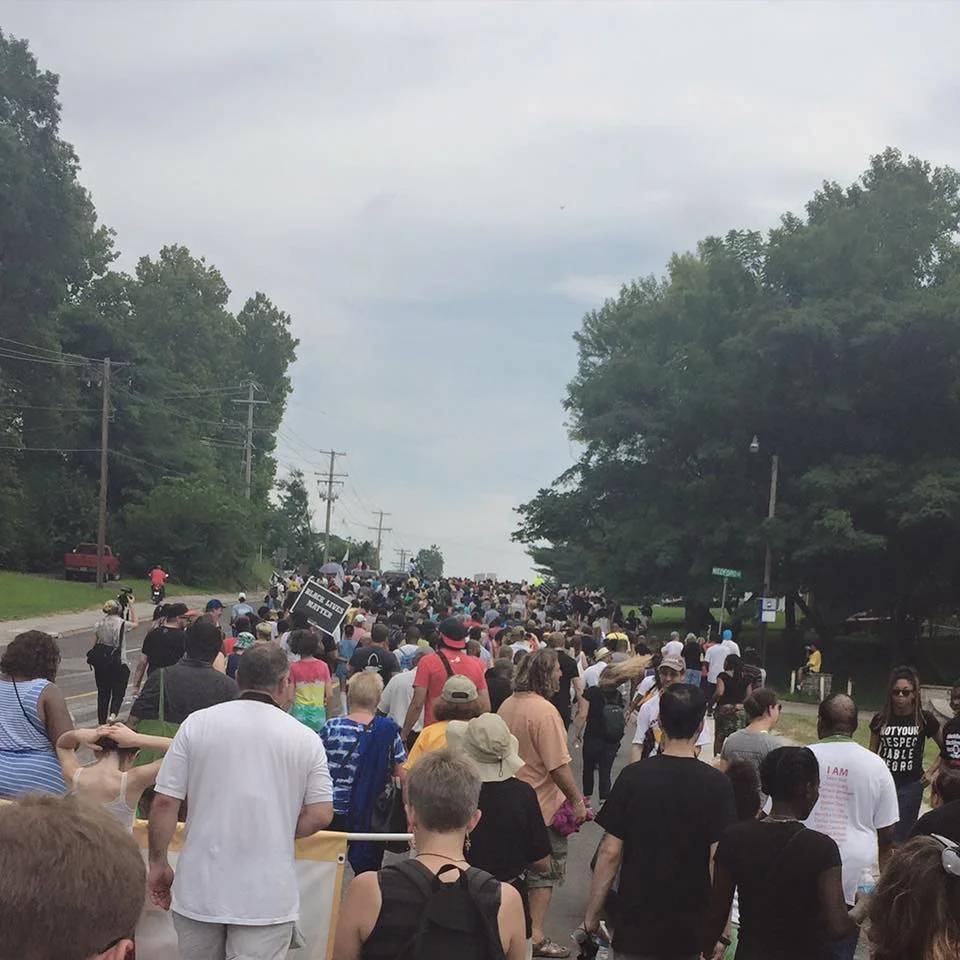
A few weeks ago I joined in the one-year anniversary Commemoration of the Ferguson Uprising in St Louis County, Missouri. I hoped, as I believe so many others did, to move the change process forward, to effect change in the culture that tolerates, even promotes police violence, especially against young Black and Brown men. 

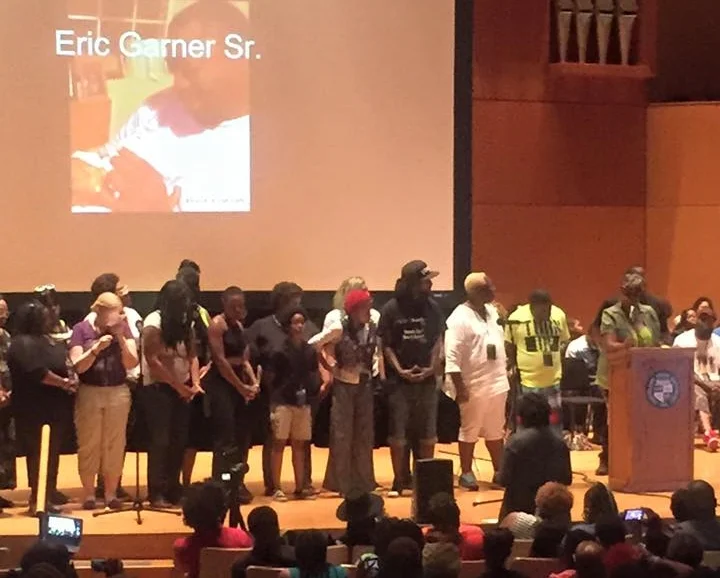
The Movement For Black Lives Convening In Cleveland—A Transformative Experience

The Millennials who planned, organized, and attended the MBL convening are folks who could be highly successful in the halls of academe or commerce. They have the smarts, the drive, and the education. But they have chosen to make sacrifices of personal comfort and forego material gain to found and sustain the civil rights movement of the 21st Century.

As a middle-aged senior who had been more observer than full out activist, participating in the Convening was a privilege. The Reverend James Reeb Fund of the Unitarian Universalist Association (UUA) subsidized attendance of about 20 UUs—lay, staff and clergy—at the Convening.  Thank you, UUA, for seizing this moment to be relevant in the wider world.

Ten Years After Katrina: Intersections and Action

What do #BlackLivesMatter and environmental justice have to do with each other? Everything.

When Katrina—a Category 5 hurricane that's part of the pattern of more frequent and severe weather events predicted by leading climatologists due to global warming—made landfall on August 29, 2005, the impact was beyond devastating. But it was not felt equally by everyone in the storm’s path.

The neighborhoods hit hardest, the people who were unable to evacuate, the horrifyingly inadequate federal response, the media coverage of the survivors, and the rebuilding efforts all point to the fact that all lives did not and do not matter to our government or to the media. Poor people, disproportionately African American people, bore the greatest impacts of the storm.

Growing our leadership and advocacy for immigrant justice

Our borders have become militarized zones, and violence has increased as our government forces migrants to turn back no matter what their age, identity or circumstances. Unitarian Universalists have a rich history of bearing witness at borders and finding our voice as allies and advocates for immigrant justice, and we cannot stand idly by as these grave injustices continue. We know that US policies are connected to the economic, political and social systems in other countries that create displacement and forced migration. 

We are hosting our second annual Border Witness for UU Clergy, Seminarians and State Advocacy Leaders. If you identify as a UU leader, please join this trip, from November 2-7, 2015 as we continue to bear witness to human rights abuses on the U.S./Mexico Border. I’m excited to join the UUA President Peter Morales, UUMA Executive Director Don Southworth, and Director of the UU College of Social Justice Kathleen McTigue, who will lead this delegation. Will you join us this November? (And if you aren’t clergy, a seminarian or state leader, check out some of these other upcoming College of Social Justice programs!)

Ferguson is Everywhere

On August 7th through 10th, UUs from throughout the United States joined local UUs, multi-faith, organizing and advocacy groups to commemorate the life of Mike Brown and to organize and take action for Black liberation. The weekend included spaces for mourning, healing and ritual, relationship building and organizing and direct action. Following a powerful weekend of remembrance, activists were again met with heavy policing and military tactics by police. Let this be an opportunity for us to re-commit to taking action today.

Whether or not you were in Ferguson earlier this month, join us to hear learnings and next steps on Monday, August 24th at 8pm ET/5pm PT. RSVP to join here.